


-
 2026-07-14Australian Delegation Visits Huajia ChemicalOn July 12, 2026, a delegation of Australian clients visited Huajia Chemical to conduct an on-site inspection, verify the company's production capabilities, and discuss specific business cooperation matters, thereby facilitating the company's steady expansion into overseas markets.Accompanied by the...
 -
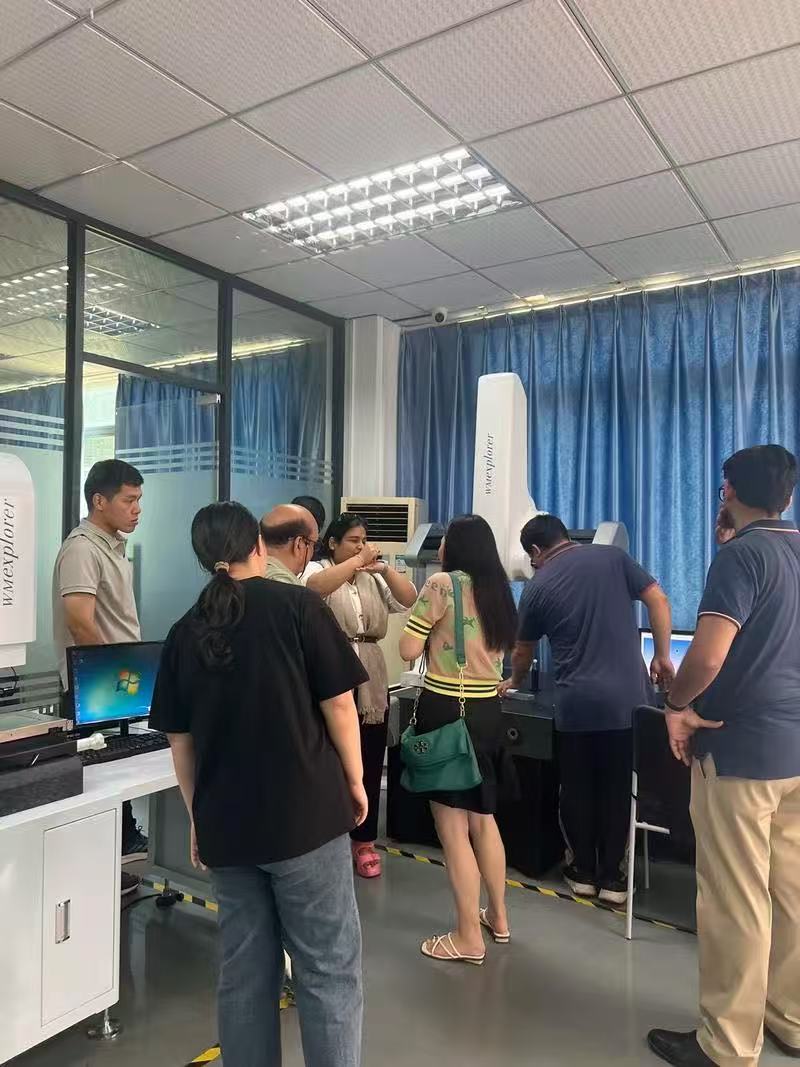 2026-07-14Philippine Client Visits Huajia Chemical(DongYing)Co.,LtdOn July 6, 2026, a client from the Philippines visited Huajia Chemical for an on-site inspection, touring the facility and engaging in in-depth business discussions regarding the procurement of silica gel desiccants. Company leadership and the head of international sales accompanied the client throughout the visit, showcasing the complete silica gel production line, quality inspection laboratory, and R&D center. The client observed the entire production process for the silica gel desiccants and examined the professional testing equipment and standardized quality management system, consistently speaking highly of the company's stable production capacity, advanced R&D infrastructure, and rigorous quality control procedures.
 -
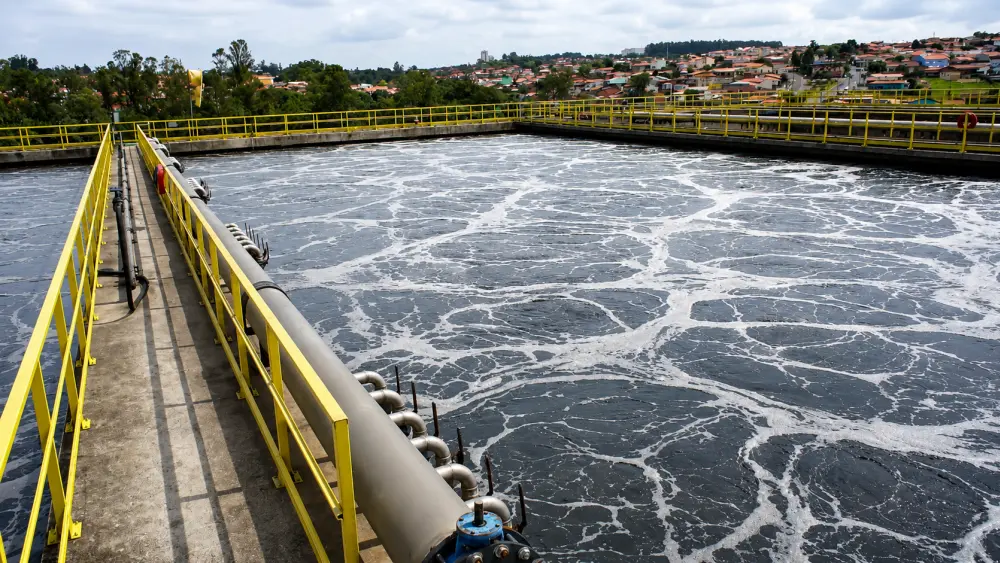 2026-06-0840 Tons Polyacrylamide Powder Shipped To India For Wastewater TreatmentPolyacrylamide helps form larger flocs, accelerate sedimentation, and improve wastewater treatment performance. It is widely used in industrial wastewater treatment, sludge dewatering, mining, sand washing, and paper making.
 -
 2026-02-04What are the applications of silica gel desiccant?Silica gel desiccant is a highly active adsorbent material. It is chemically stable, non-toxic, odorless, has strong adsorption capacity, and is reusable. Its core function is to absorb moisture from the environment, preventing items from becoming damp, moldy, oxidized, or corroded. Applications cov...
 -
 2026-02-04Application of polyacrylamide in oil fieldsPolyacrylamide (PAM), with its thickening, flocculating, drag-reducing, and profile-adjusting properties, is widely used in oilfield drilling, well completion, oil production, and water treatment. Its core value lies in improving operational efficiency, protecting reservoirs, and enhancing oil recov...
 -
 2026-02-04Why is polyacrylamide widely used in wastewater treatment?1. Superior flocculation and sedimentation capabilities, fundamentally solving the solid-liquid separation problem. PAM is a high-molecular polymer with numerous active functional groups (anionic, cationic, and nonionic) on its molecular chains, enabling it to rapidly adsorb suspended particles (su...
 HOME
HOME
 PRODUCT
 NEWS
NEWS
 CONTACT US